Bellevue Premium Roofing: Roof Replacement, Leak Repair & Moss Control
Expert residential and commercial roofing services. Free roof and attic inspections across Bellevue and the Eastside.
- Registered Washington roofing contractor, verifiable by registration number through Labor and Industries
- Free roof and attic inspection with a written, photographed scope
- Moss, lichen and needle-load management written into every roof plan
- Written workmanship warranty on every replacement we install
Our Roofing Services in Bellevue, WA
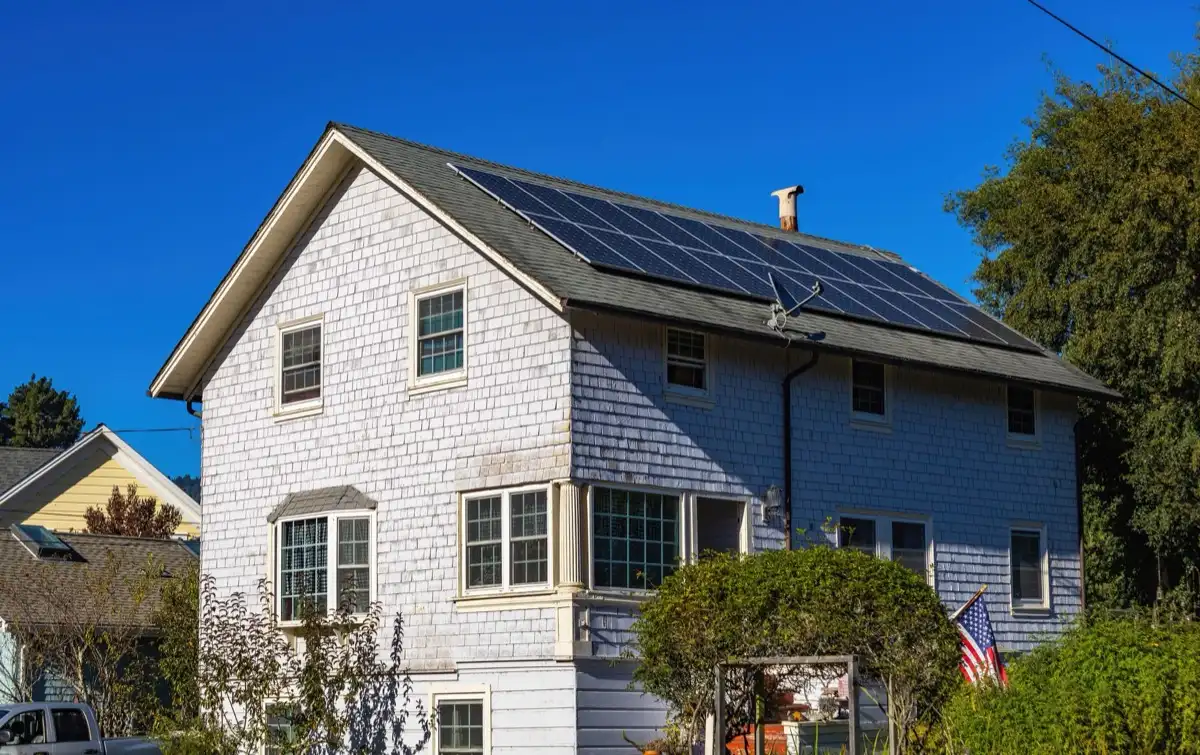
Roof Replacement
Replacement here is rarely decided by a storm date. It is decided by slope aspect: which planes face north, which sit under fir canopy, and how many winters moss has spent holding water against the shingle butts on those planes.
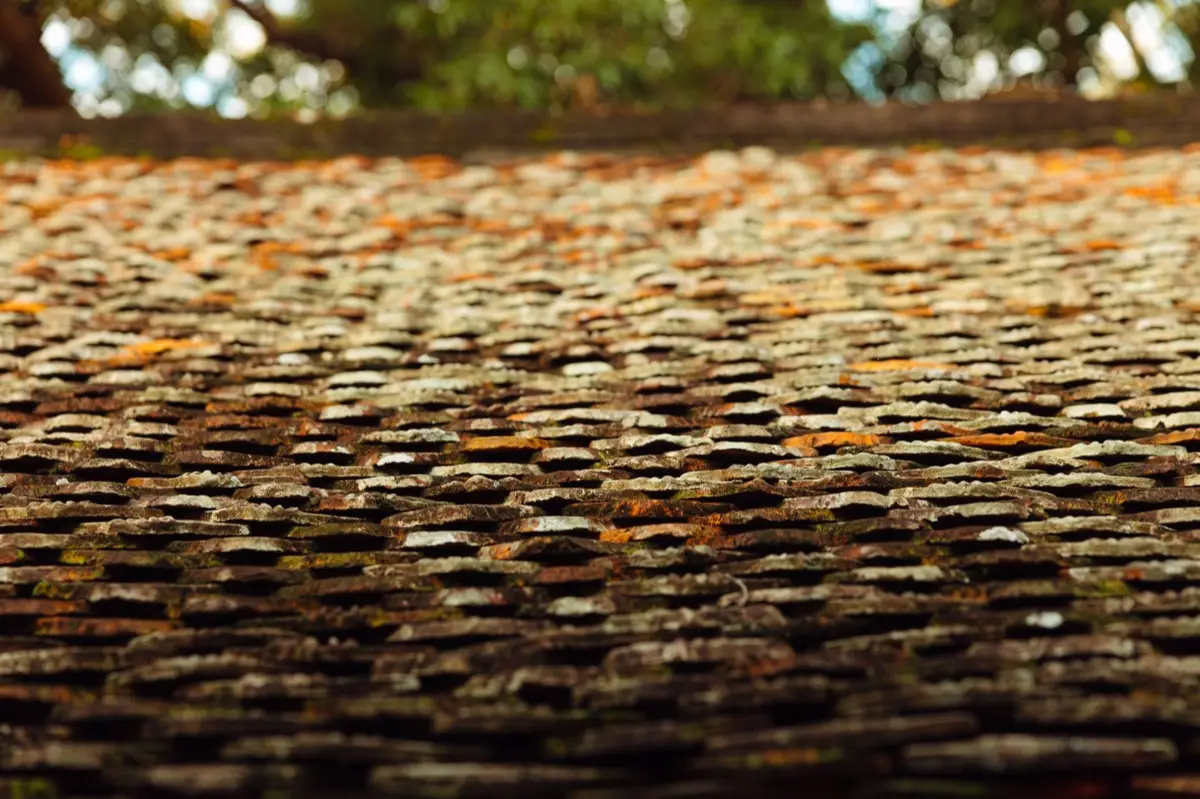
Roof Leak Repair
Most roofs we open in Bellevue are not punctured. Water is following a path that moss, a needle mat, or a missing piece of flashing opened for it, and it enters at a lap or a wall line rather than through anything you could call a hole.
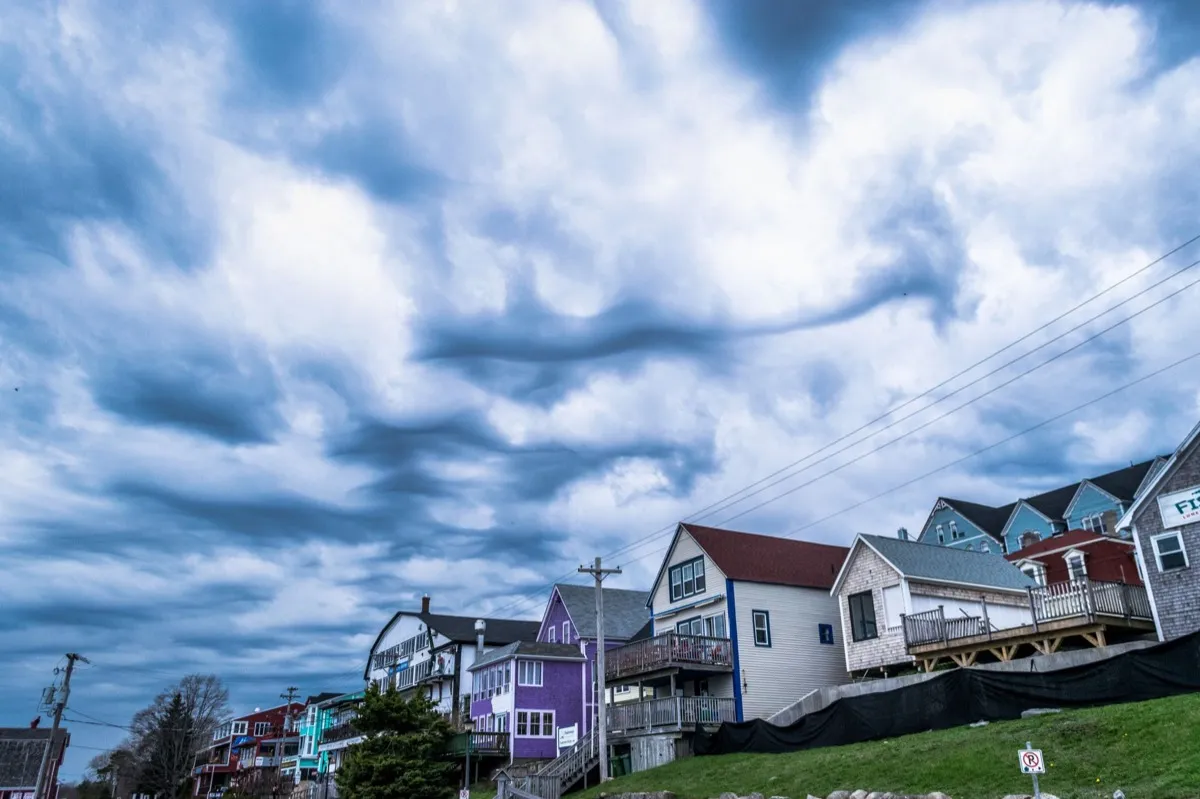
Storm Damage Roof Restoration
A storm here is not a hail cell. It is a southerly wind event arriving on ground already saturated by weeks of rain, with tall second-growth conifers standing over roofs that were sited for shade rather than for clearance.
Hail Damage Roof Inspection
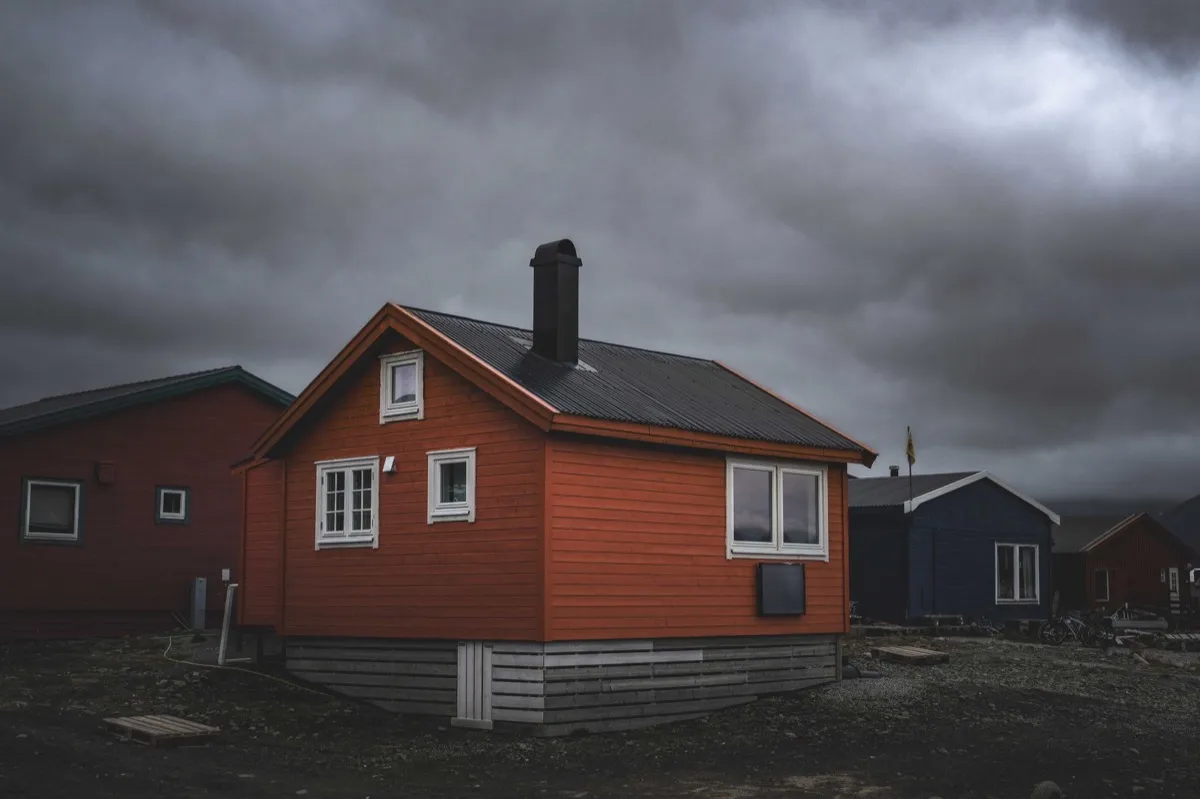
Puget Sound does get hail. It is small, it is usually spring convection or a graupel shower off a cold front, and in twenty inspections here the number that turn out to be genuine hail bruising is very close to zero.
Wind Damage Roof Repair
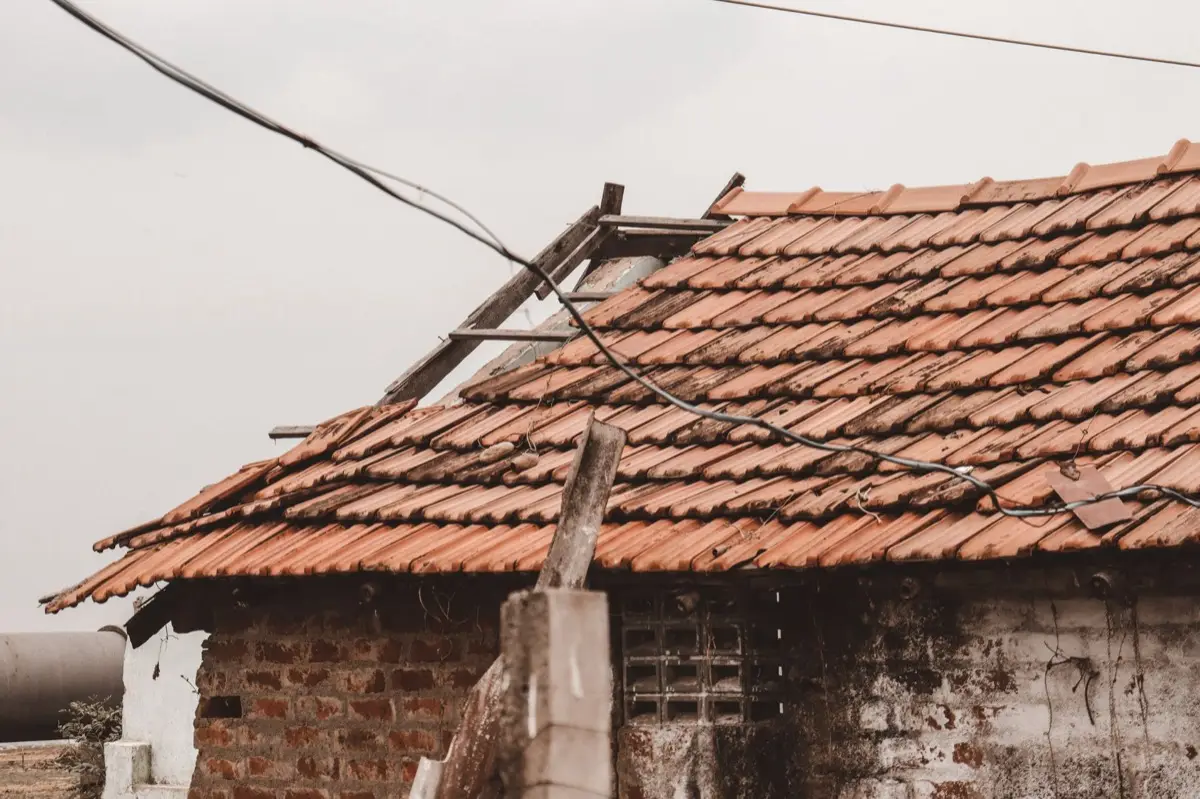
Wind is the one weather event that genuinely takes roofs apart on the Eastside. Pacific systems arrive from the south and southwest, funnel up the lake and over the open plateau, and hit rooflines that were laid out for privacy and canopy rather than exposure.
Roof Inspections
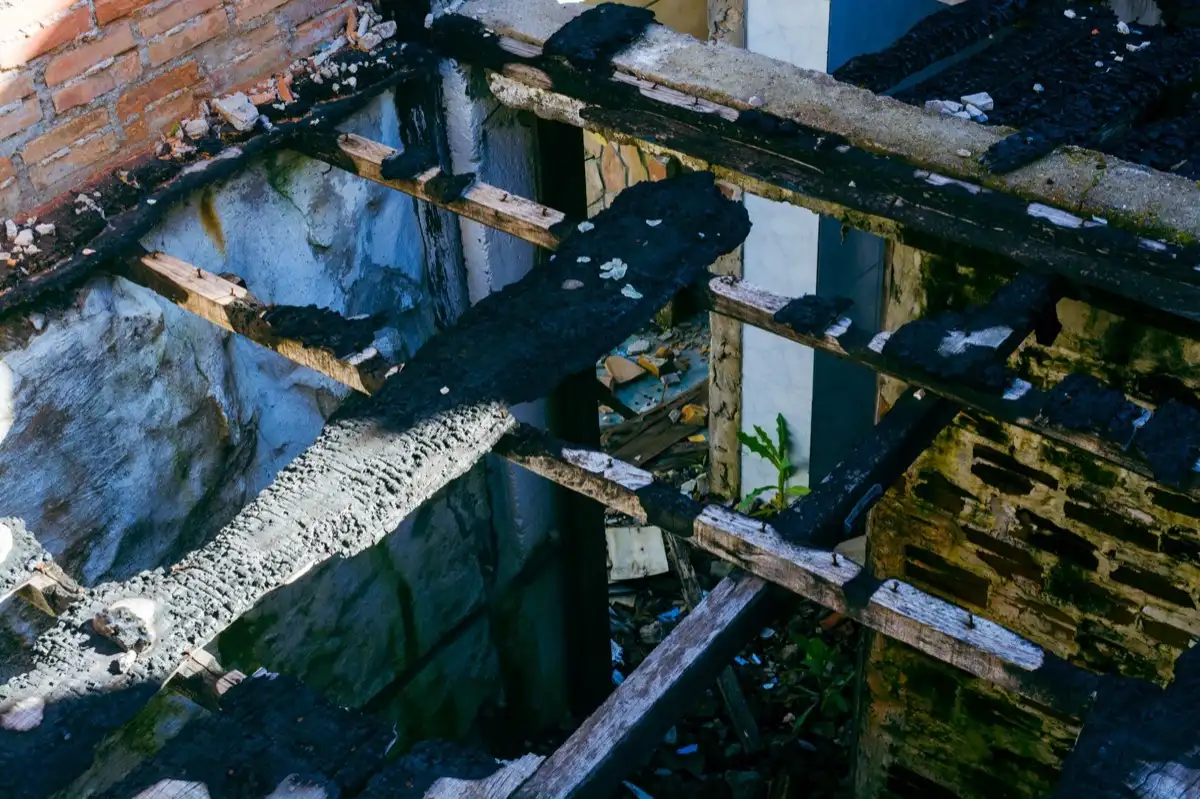
An honest roof inspection in Bellevue is half roof and half attic. Everything that kills roofs here works slowly and from the underside, so a walk on the covering by itself tells you maybe two-thirds of what you need to know.
Asphalt Shingle Roofing
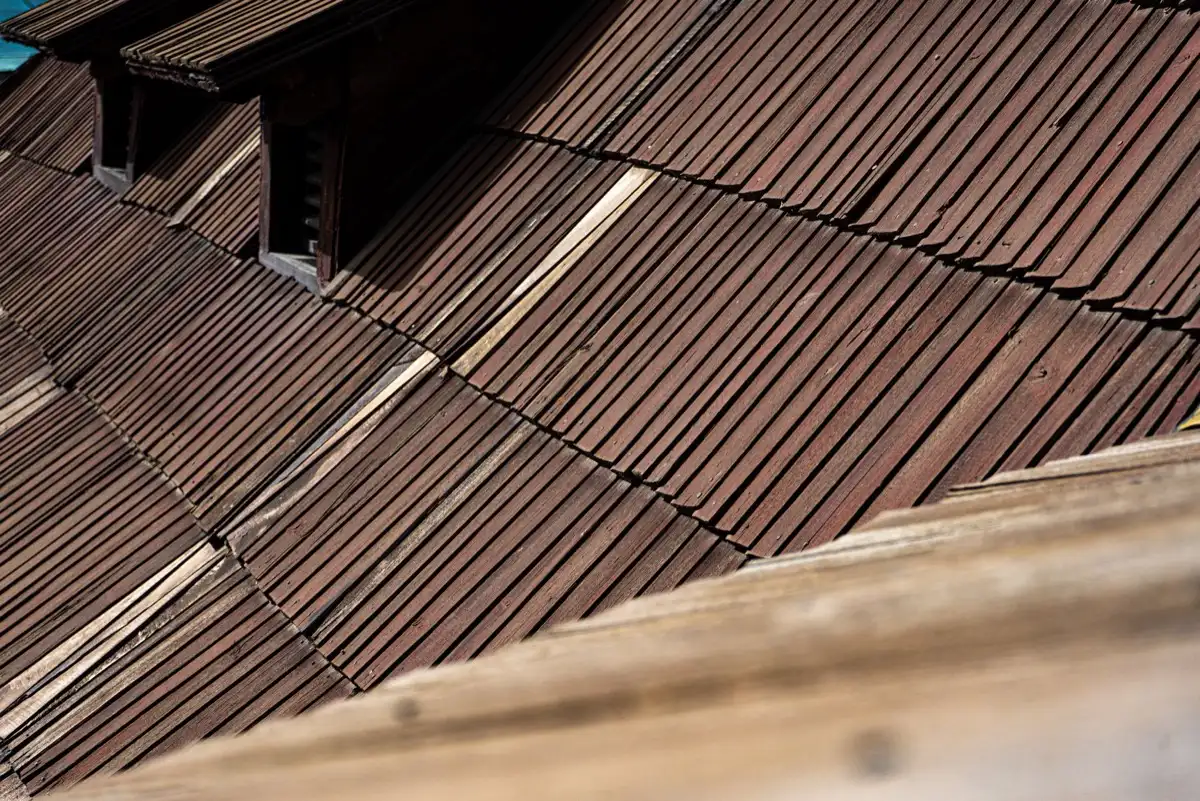
Asphalt shingles are the default covering across Bellevue and they are a sound choice here, provided the product is chosen for damp and shade rather than for the price per square on a bid sheet. We do not install three-tab on this side of the lake.
Metal Roofing
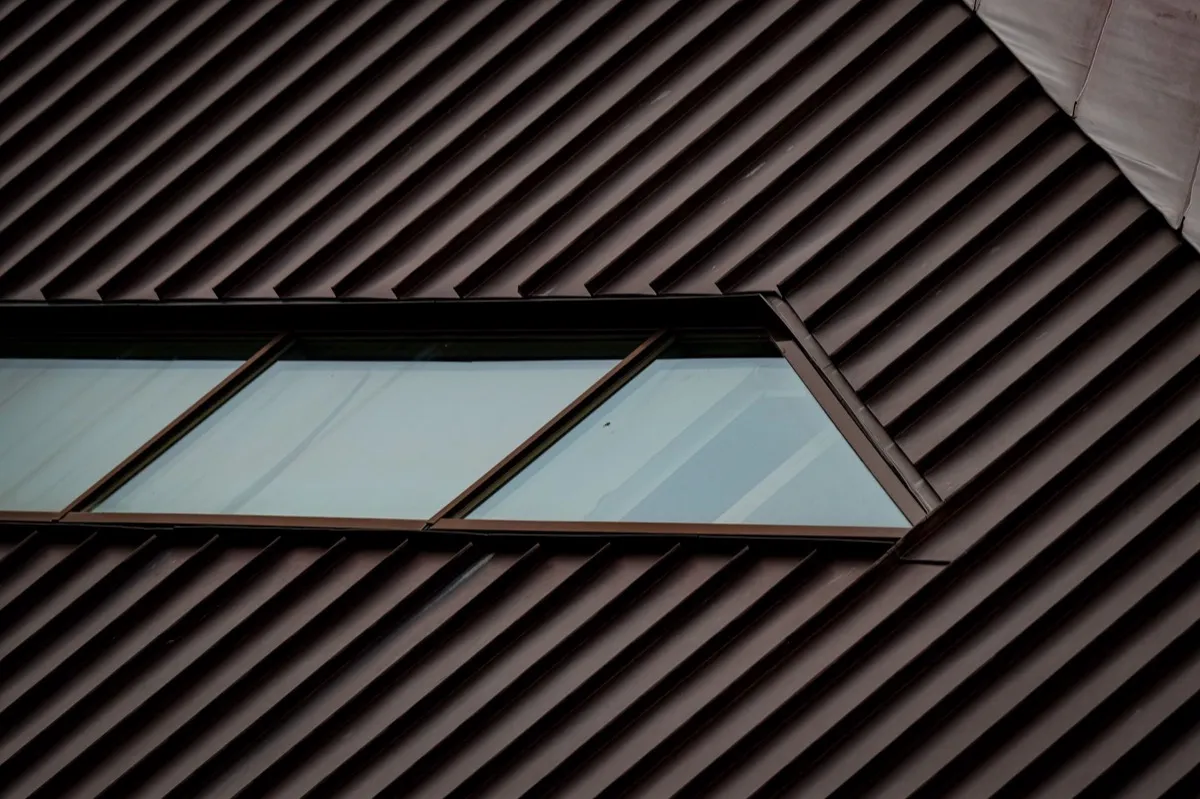
Metal has a specific argument in its favor here that has nothing to do with looks. Moss and lichen need texture to grip, and a smooth painted panel gives them almost nothing, so a metal roof under the same fir canopy stays substantially cleaner than the shingle roof next door.
Tile Roofing & Relays
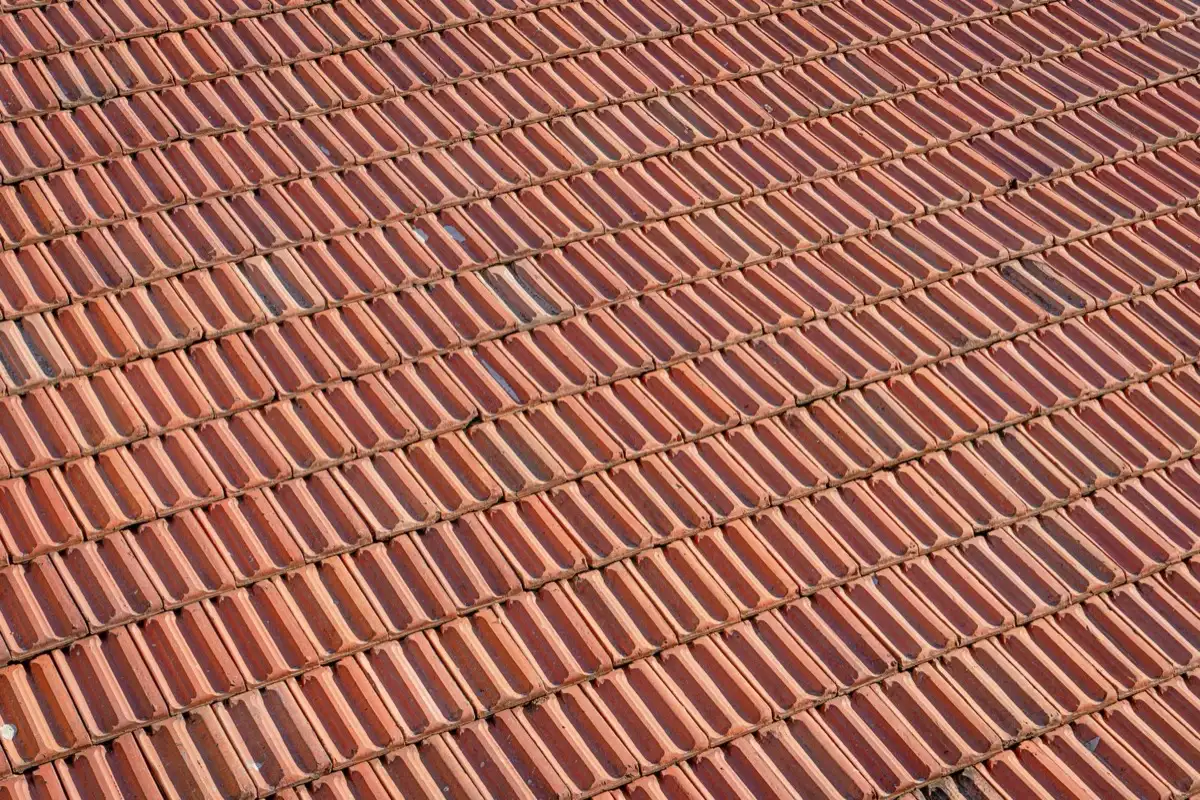
This is the page where our recommendation runs against the product. Concrete and clay tile are excellent roofs in a dry, hot climate.
Flat & Low-Slope Roofing
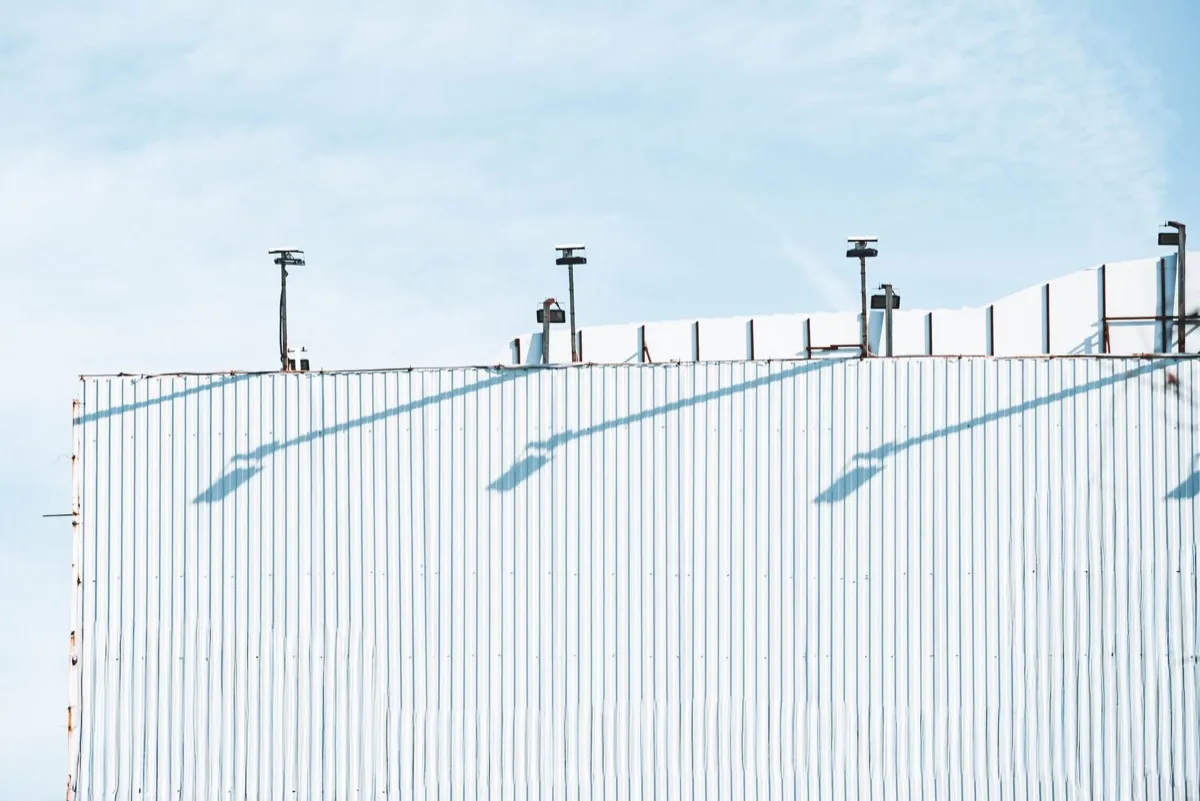
Bellevue has more low-slope roofing than people expect. Mid-century flat-roofed houses on the older plats, shed additions off steeper main roofs, carports, dormered garages, and the deck-over-living-space details that Northwest modern architecture is fond of.
Roof Coatings & Sealing
Coatings are oversold in wet climates, and a fair share of the calls we take about them end with us recommending something else. A coating is a maintenance product for a sound roof, not a repair for a failing one, and the difference is expensive to learn the hard way.
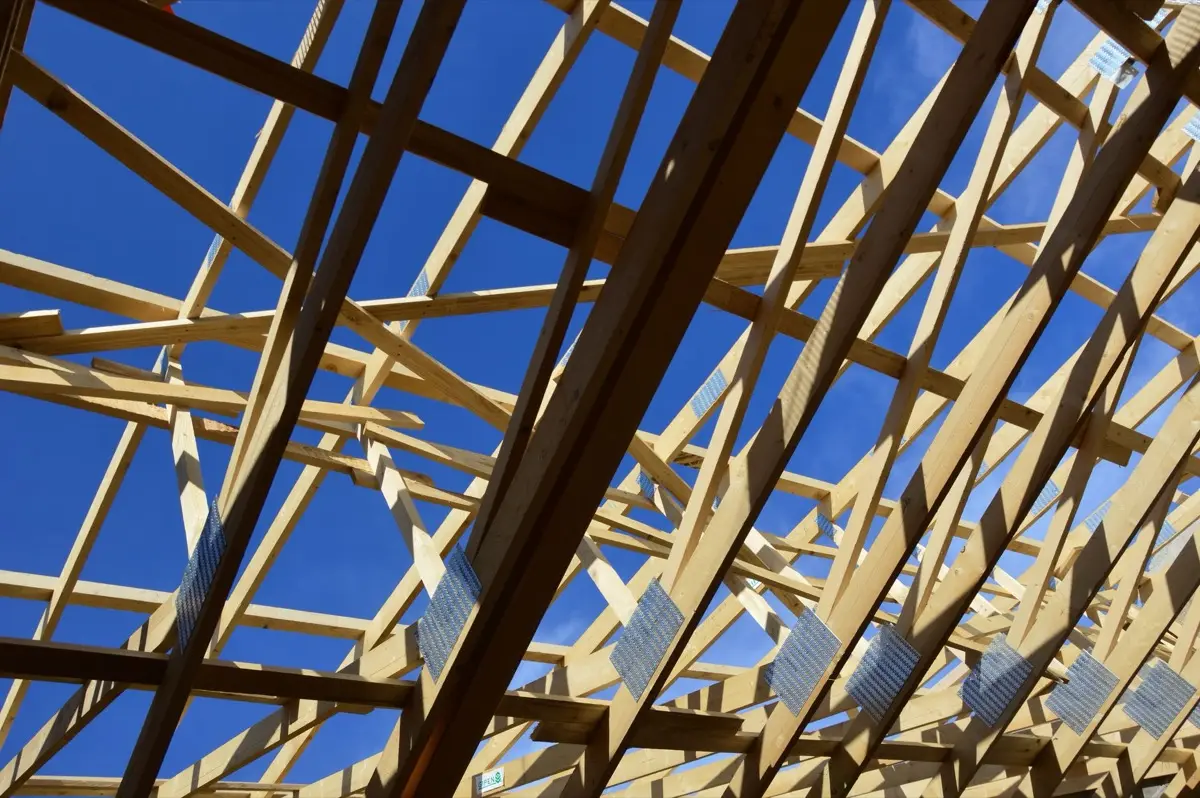
Roof Ventilation & Attic Moisture
In Bellevue, attic ventilation is a moisture problem wearing the costume of a heat problem. The industry talks about summer attic temperatures and cooling loads.
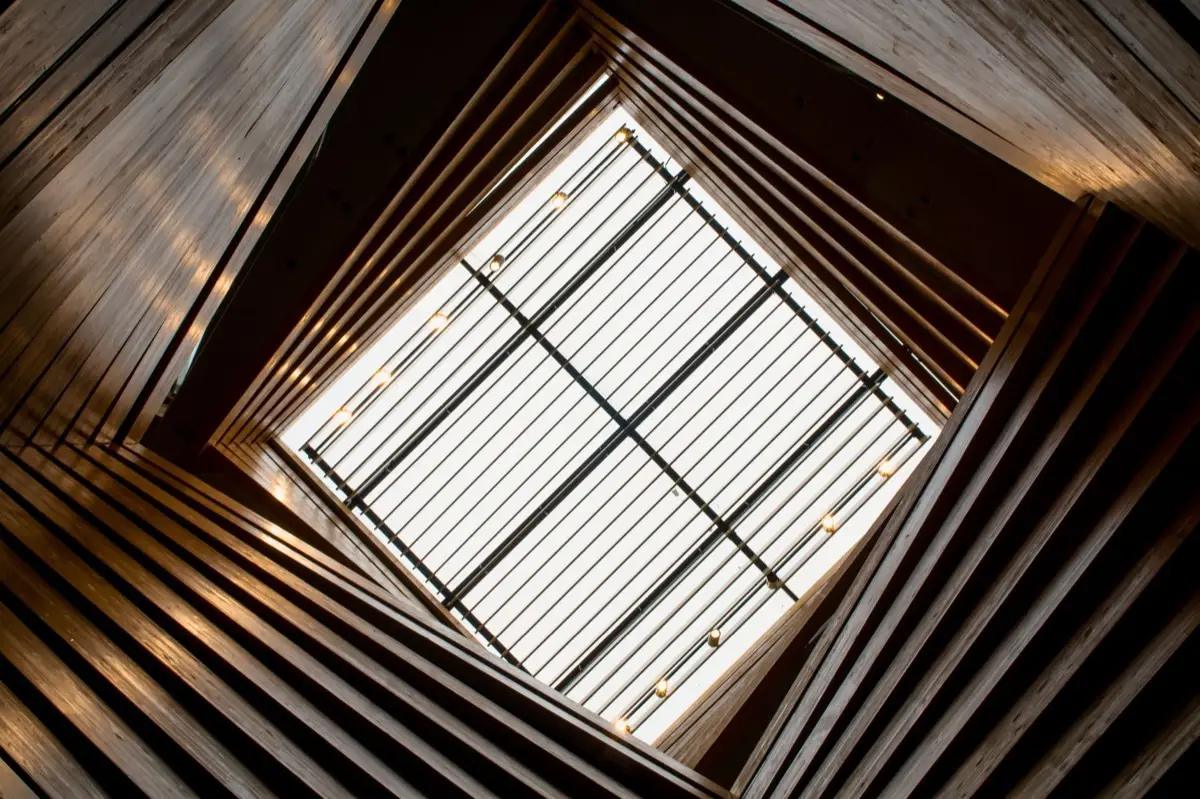
Skylights
Roughly half the skylight leaks we are called to between November and March are not leaks. They are condensation forming on the inside of cold glass and running down the shaft, and the homeowner has usually already paid somebody to seal flashing that was never the problem.
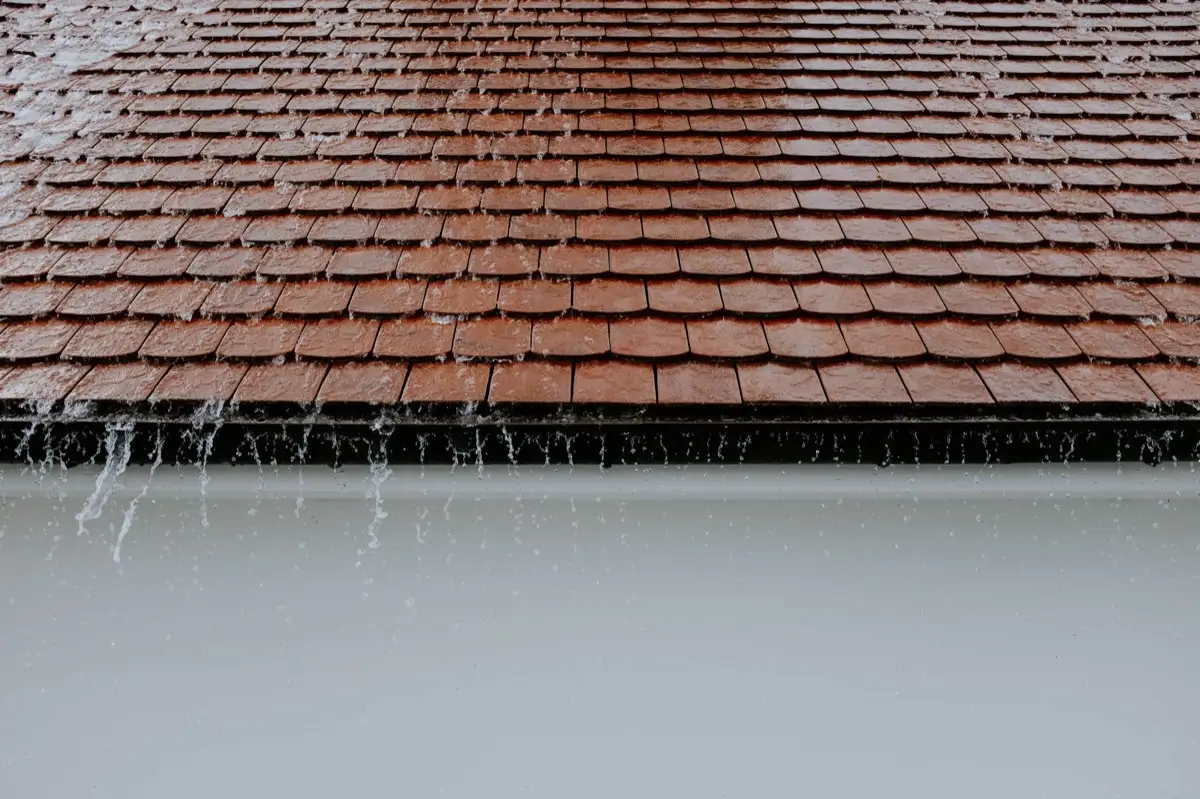
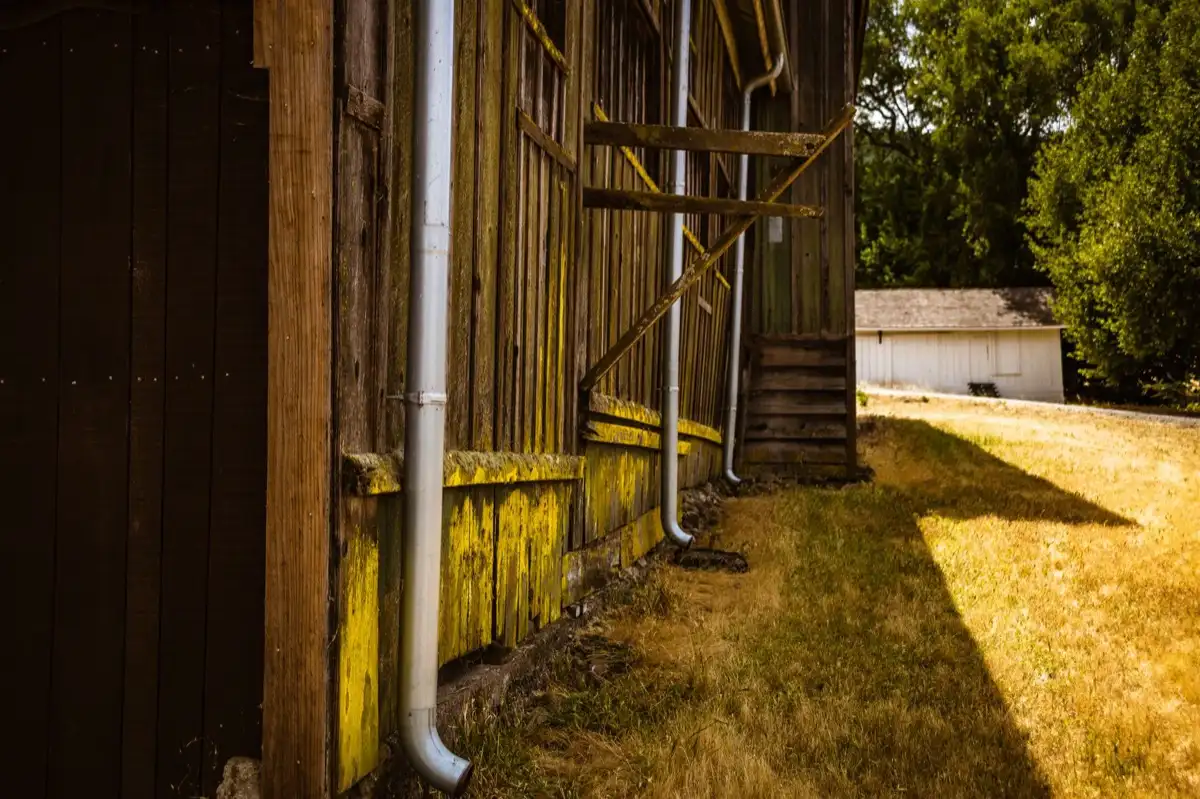
Gutters & Downspouts
For two months of every year the gutters on an Eastside house are carrying more solid material than water. That single fact should decide how they are sized, how they are hung, and what, if anything, goes on top of them.
Fascia & Soffit
Rotten fascia on the Eastside is almost never a fascia problem. It is a gutter problem that has been running for three or four winters, and replacing the board without fixing what wet it is a repair with an expiry date.
Chimney Flashing
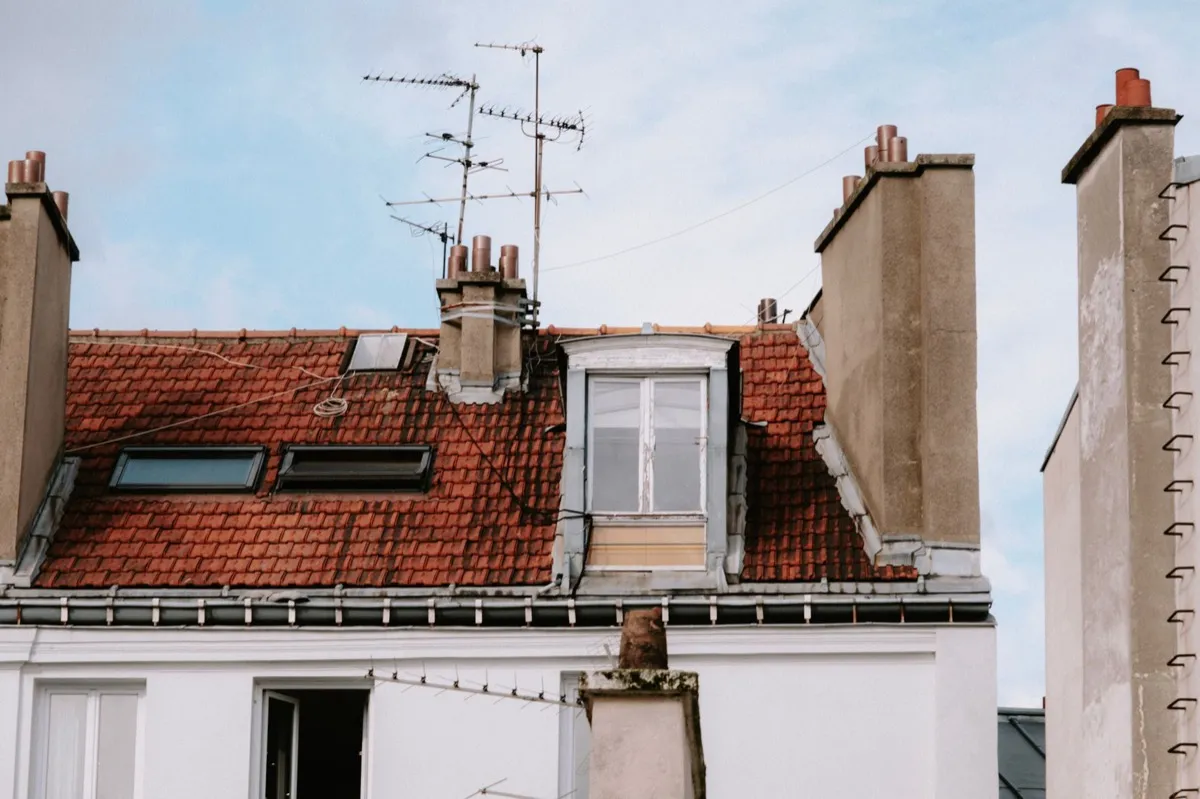
Name the most common source of hidden rot in Eastside houses and it is not the roof covering. It is a roof-to-wall junction built without a kick-out diverter, which quietly puts every rainfall behind the siding instead of into the gutter.
Emergency Roof Tarping
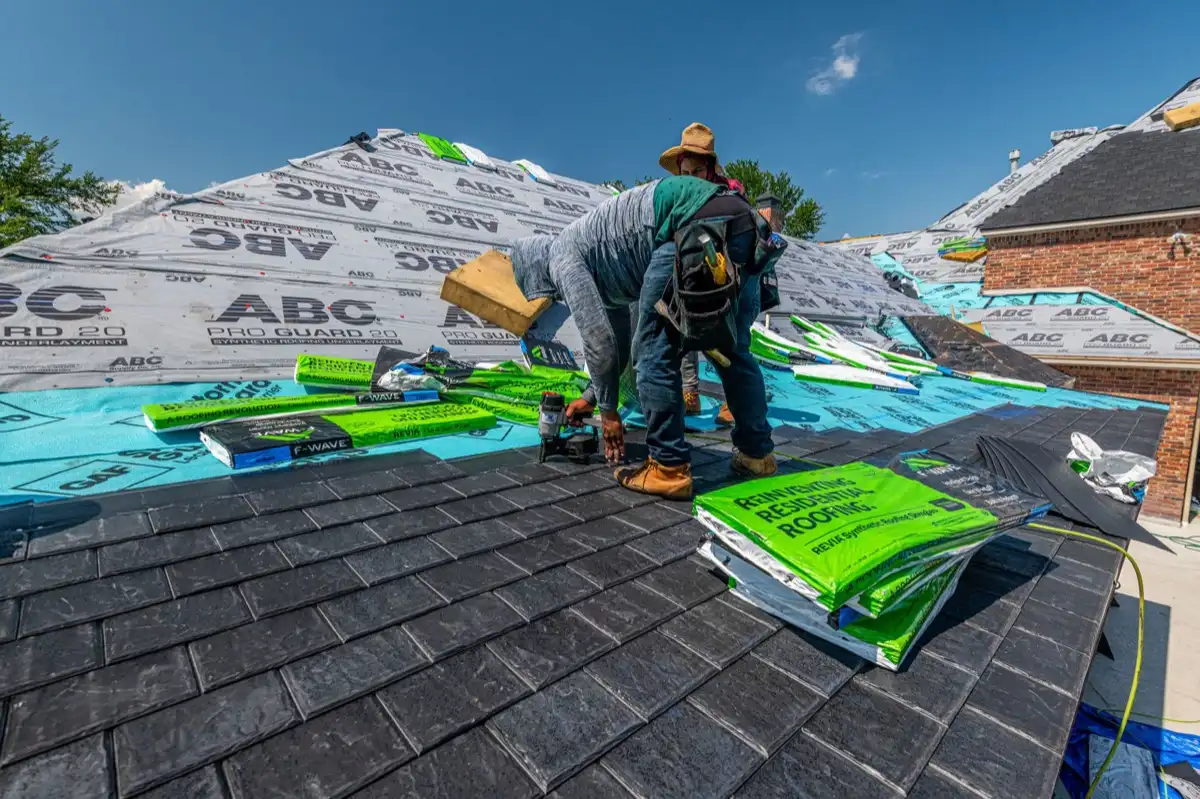
Tarping a wet, mossy roof is a different job from tarping a dry one, and most tarps we get called to re-do failed because someone treated it as the same job. A tarp on moss slides, and one that slides at two in the morning is worse than no tarp.
Commercial Roofing
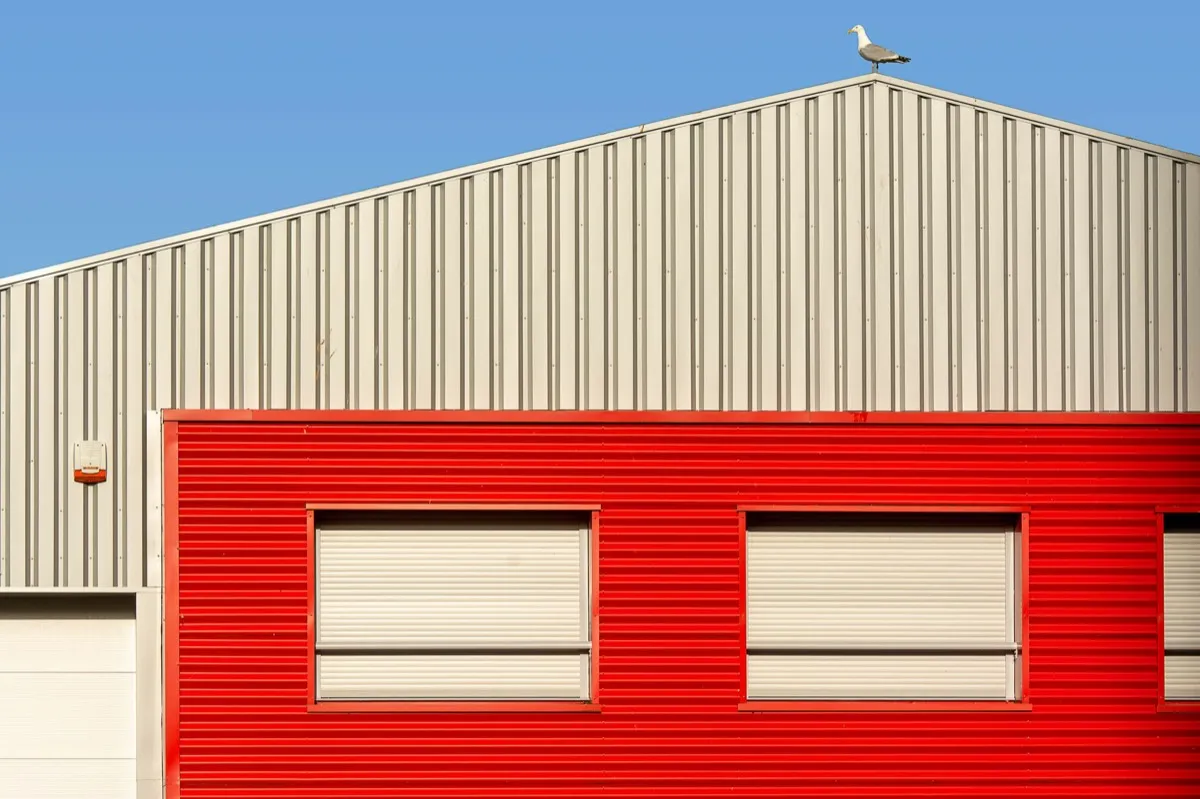
Our commercial work on the Eastside runs to office and flex buildings around the Spring District, Factoria, Eastgate and Wilburton, retail strips, medical and dental suites, self-storage, and a good deal of multifamily and homeowner association property in the surrounding cities. The recurring maintenance problem on all of it is the same and it is seasonal.
Insurance Claim Support
Insurance work in Bellevue looks nothing like insurance work in a hail state, and the honest starting point is this: most of what goes wrong with roofs here is specifically excluded by the policy you already hold. Policies in Washington generally do cover sudden, accidental events.
Bellevue Premium Roofing is a registered, insured roofing contractor in Bellevue, Washington, handling roof replacement, roof leak repair and roof inspections for homes and commercial buildings across the Eastside. We install architectural laminate shingles, 24-gauge standing seam metal and two-ply modified bitumen on low-slope roofs, and we specify every job for a climate that keeps a roof damp from October to May.
Roofs fail biologically here rather than mechanically. Moss holds water against the shingle butts on shaded north planes, fir and cedar needles pack valleys and gutters, and the covering wears from underneath long before any storm touches it. Our proposals name the underlayment, the valley membrane, the flashing details and the moss treatment, because those are the four things that decide how long a roof actually lasts.
We repair before we replace. If your shingles still hold their granules and the trouble is a packed valley, a missing kick-out flashing or a blocked downspout, we will say so and price the smaller job. When a roof is genuinely finished you get a written scope, a per-sheet allowance for sheathing, and a workmanship warranty in writing rather than in conversation.
What Bellevue Customers Say
Two other roofers looked at the ceiling stain and both quoted a full replacement. These guys spent forty minutes in the attic with a moisture meter, found the roof-to-wall junction above the garage had no kick-out flashing, and fixed it for a small fraction of a re-roof. Eighteen months and two very wet winters later, still dry.
Our north slope was solid moss and I assumed the roof was finished. They graded it plane by plane, showed me the granule coverage was still even, and did a soft removal and a treatment instead of selling me a roof. They also told me exactly which year to start budgeting for the replacement, which I appreciated more than the discount.
Tree came down across the back of the house in a December windstorm. They shored the broken rafters before touching the limb, decked and covered the opening the same evening, and photographed everything for the adjuster before any cleanup happened. The claim went through without an argument, which I am fairly sure was down to their documentation.
Full tear-off in February, which I was nervous about. They dried in as they went, never left the deck open overnight, and hand-sealed the rakes and ridge because of the time of year and explained exactly why. Sheathing came in three sheets over the estimate and it was priced at the per-sheet number they had written down beforehand.
Why Bellevue Chooses Bellevue Premium Roofing
- ✓We inspect the attic with a moisture meter before we walk the covering, because sheathing on the Eastside fails from the underside first and the roof surface is the last place it shows.
- ✓We will not pressure wash a shingle roof. Granule loss from a wand is permanent, it voids the surfacing warranty on every major brand, and we would rather lose the job than take five years off your roof.
- ✓Every replacement is a tear-off to sheathing with a per-sheet allowance quoted up front, so a soft deck under a north eave does not turn into a change order argument on day two.
- ✓Cool-season installs get hand-sealed edges, rakes and ridge cap, because an asphalt roof laid between October and April will not self-seal until spring and spends that winter loose.
- ✓Every roof-to-wall junction we touch gets a kick-out diverter. Its absence is the most common source of hidden rot we open up in Eastside houses built between 1980 and 2005.
- ✓We quote repairs against replacements honestly, and a real share of our inspections end with a cleaning and a flashing quote rather than a roof, because that is what the roof needed.
About Bellevue Premium Roofing in Bellevue, WA
Bellevue Premium Roofing works the Eastside, from the lakefront towns west of the city out to the Snoqualmie Valley and north into south Snohomish County. We are a registered Washington roofing contractor, verifiable by registration number through Labor and Industries, we carry liability coverage on every job, and we back replacements with a written workmanship warranty alongside the manufacturer's material coverage.
The reason we specialize the way we do is that Puget Sound roofs do not fail the way roofs fail in most of the country. There is no hail season here and very little thermal shock.
What there is instead is eight months of damp, deep conifer canopy, and a low winter sun that never gives a shaded plane a chance to dry. Moss, needle load and condensation are the mechanisms, so those are what our inspections, our specifications and our maintenance programs are built around.
There are jobs we turn down. If your roof is under ten years old, holding granules evenly, and the actual problem is a mossy north slope and a valley full of needles, do not hire us to replace it. If you want a pressure wash to make the house photograph well before a sale, we are the wrong company. We would rather quote you a cleaning now and a roof in eight years.
How It Works
- 1
Inspection From Both Sides
We read the attic with a moisture meter before we walk the roof, because sheathing here fails from the underside. Then we map the covering plane by plane, grading moss and lichen by slope aspect and checking every valley, boot, curb and roof-to-wall junction individually.
- 2
A Written Scope In Priority Order
You get photographs and a scope split into must-do, this-season and monitor. A split plumbing boot and a north slope at forty percent moss coverage are not the same urgency, and we will not price them as if they were. If the honest answer is a cleaning, that is what the scope says.
- 3
Work Scheduled Around Dry Windows
Tear-offs get booked against the forecast, not the calendar. We open only as much deck as we can dry and close in a day, dry in with synthetic underlayment as we go, and we will move a start date rather than lay a roof over wet sheathing to keep a schedule.
- 4
Cleanup, Documentation And Warranty
We magnet-sweep the site, photograph the finished details including the valleys and flashings you will never see again, and hand over the file with the workmanship warranty and the manufacturer registration. Gutters get cleared of tear-off debris before we leave.
Commercial Roofing in Bellevue & Across the Eastside
We maintain and replace low-slope roofs on office and flex buildings around the Spring District, Factoria, Eastgate and Wilburton, on retail and medical suites through the Eastside, and on multifamily and homeowner association property in the surrounding cities.
The controlling issue on every one of them is drainage during needle season: a primary drain packed with conifer debris in October puts standing water over occupied space by November.
Our programs are built around two visits a year timed to the weather rather than the fiscal quarter, with a photographic report and a repair list separated into urgent and monitor. Where a membrane is sound in the field and failing only at curbs and terminations, we will say so and price the repair rather than the replacement.
- ✓60 and 80 mil TPO, mechanically attached and fully adhered
- ✓EPDM repair and replacement on existing ballasted and adhered roofs
- ✓Two-ply modified bitumen in cold-applied and torch-free assemblies
- ✓Roof drain, sump and scupper clearing timed to autumn needle drop
- ✓Overflow scupper and secondary drainage retrofits on parapet roofs
- ✓Rooftop curb, conduit and condensate line reflashing
- ✓Tapered polyisocyanurate and cricket work to correct ponding
- ✓Documented twice-yearly maintenance programs with photographic reports
Service Areas
Bellevue Premium Roofing serves Bellevue, WA and surrounding communities including:
Recent Projects Across the Eastside
Frequently Asked Questions
Should I pressure wash the moss off my Bellevue roof?
No, and this is the most expensive mistake we see here. A pressure washer strips granules off asphalt faster than a decade of weather does, drives water up under the courses, and voids the surfacing warranty on essentially every shingle sold in Washington.
The right method is to let the roof dry, remove the bulk of the moss with a soft brush working downslope, and then treat the surface so regrowth is slowed. It looks less dramatic on the day and it does not take five years off the roof.
Do I need a new roof or just a cleaning and some repairs?
Look at the granules rather than the moss. If the shingle surface still holds an even layer of granules and the fiberglass mat is not showing at the butt edges, the roof has service life left and the moss is a maintenance item.
If the mat is visible across a whole plane, or the deck reads soft underfoot, cleaning is only postponing the number. We tell people which one they have in writing, and a good share of our inspections end with a cleaning quote rather than a replacement quote.
Does homeowners insurance cover moss damage in Washington?
Generally no. Policies cover sudden, accidental events such as a tree through the roof or shingles blown off in a windstorm. Moss, algae, lichen, rot and deferred maintenance are excluded almost universally, and an adjuster will read a moss-worn roof exactly the way we do.
We will tell you before you file, because a denied claim sits on your loss history and pays you nothing. When you do have a genuine wind or tree claim we document it properly and meet the adjuster on the roof.
Can you replace a roof in the winter here?
Yes, and we do it every year, but the method changes. We work in shorter openings, dry in with synthetic underlayment as the tear-off progresses, and we do not leave deck exposed overnight.
The one real caution is sealing: asphalt shingles bond when the adhesive strip warms, and a roof laid in December may not seal on its own until spring. We hand-seal edges, rakes and ridge cap on every cool-season install so the roof is not loose through its first winter.
Do zinc strips at the ridge actually work?
They work, within limits worth knowing. Rain running over zinc picks up a small amount of zinc sulfate and suppresses regrowth on the surface it flows across, which in practice means roughly the upper section of the slope below the strip. On a tall roof you need more than one course.
They also cannot clear an established mat, so a strip is a maintenance aid after cleaning, not a treatment. Do not put zinc or copper above an aluminum or galvanized surface, because the runoff will corrode it.
Why does my skylight drip only on cold mornings?
That is almost certainly condensation rather than a leak. Warm, moist indoor air rises up the skylight shaft, meets the coldest glass in the house, and runs down the inside of the frame, which is why it shows up on clear cold mornings and often not during heavy rain.
A real leak tracks the weather and stains outside the frame line. The fix is bath and kitchen fans that actually discharge outdoors, proper insulation in the shaft, and in older homes replacing a single-glazed or seal-failed unit.